

The investment landscape across the Middle East is undergoing a noticeable transformation. While traditional assets such as real estate, family businesses, and local market investments continue to play an important role in wealth building, a growing number of investors are looking beyond their domestic markets.
Access to global financial opportunities has become easier than ever, encouraging individuals and institutions alike to diversify their portfolios and broaden their financial horizons.
This shift is not driven by trends alone. Investors across the region are increasingly focused on long-term wealth preservation, risk management, and participation in emerging opportunities worldwide.
As technology improves access to international markets and financial education becomes more widespread, global investing is evolving from a niche strategy into a mainstream consideration for many Middle Eastern investors.
The Growing Importance of Diversification
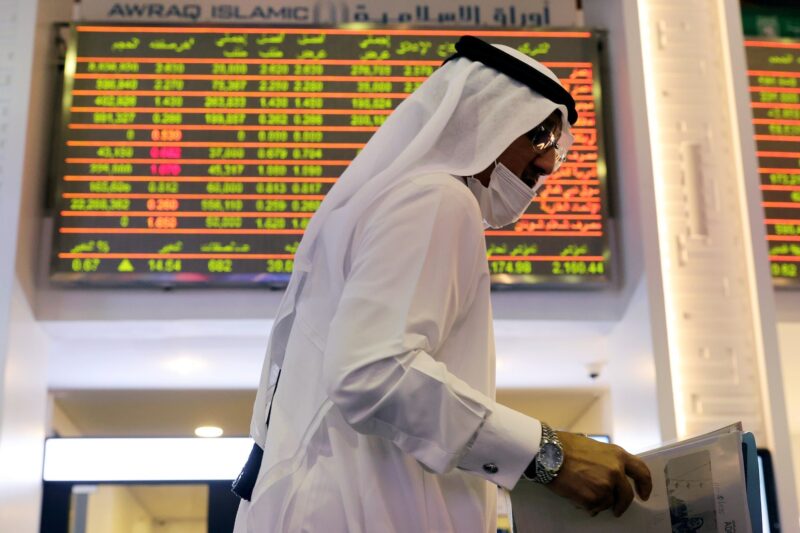
One of the primary reasons investors are exploring global financial markets is diversification. Financial professionals and major investment institutions consistently emphasise the importance of spreading investments across different regions, sectors, and asset classes to reduce concentration risk.
Relying solely on one market can leave investors vulnerable to local economic fluctuations, regulatory changes, or sector-specific challenges.
Global markets provide access to industries and opportunities that may not be readily available within domestic economies.
Investors can participate in sectors such as advanced technology, healthcare innovation, renewable energy, and international consumer markets.
This broader exposure allows portfolios to benefit from growth trends occurring in different parts of the world.
Diversification also supports long-term resilience. Economic cycles vary across regions, meaning that periods of slower growth in one market may coincide with stronger performance elsewhere. By allocating capital internationally, investors can create a more balanced approach that aligns with both wealth preservation and growth objectives.
Technology Is Opening New Doors

Digital transformation has significantly changed the way investors access financial markets. In the past, investing internationally often required complex procedures, extensive paperwork, and specialised financial relationships.
Today, online platforms and advanced trading technologies have simplified the process, making global markets more accessible to a wider audience.
Investors can now monitor international assets, research companies, and execute transactions from virtually anywhere.
Real-time market information, educational resources, and analytical tools provide greater transparency and help individuals make more informed decisions.
This accessibility has encouraged more people to consider opportunities beyond their local investment environment.
Many investors are actively seeking resources that help them understand international investing strategies and market participation.
Platforms that provide insights, tools, and market access have become valuable educational gateways for those looking to expand their investment knowledge.
Many individuals choose to open link to learn more about accessing broader financial opportunities and building globally diversified portfolios.
Economic Growth Beyond Regional Borders
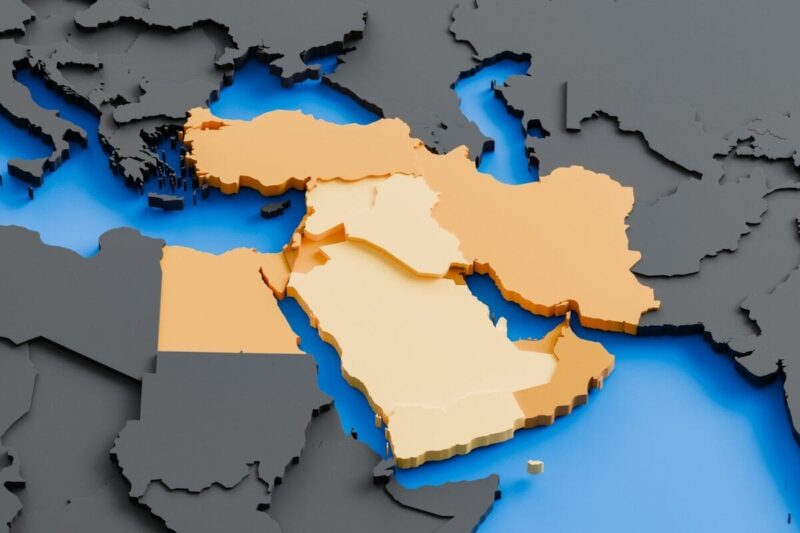
The Middle East has experienced significant economic development over recent decades, creating substantial wealth and increasing investor sophistication.
As financial literacy improves and investment goals become more ambitious, many investors are naturally exploring opportunities that extend beyond regional borders.
Global financial markets offer exposure to some of the world’s largest economies and most innovative companies. Investors who participate internationally can gain access to businesses operating across multiple continents, helping them benefit from global consumption patterns, technological advancements, and demographic shifts.
These factors often contribute to long-term growth opportunities that complement domestic investments.
International investing allows individuals to participate in markets that may respond differently to global economic developments.
This flexibility can help investors pursue opportunities across various stages of economic cycles while maintaining a broader perspective on wealth creation.
The Rise of Long-Term Wealth Planning

Another important factor driving global investment interest is the growing emphasis on long-term financial planning. Families, professionals, and entrepreneurs throughout the Middle East are increasingly focused on creating sustainable wealth strategies that extend across generations.
Long-term investing requires looking beyond immediate market conditions and considering future opportunities. International diversification supports this objective by providing access to a wider range of investment vehicles, including global equities, exchange-traded funds, and diversified portfolios designed for different risk profiles.
These options can help investors align their financial decisions with long-term goals such as retirement planning, education funding, and legacy building.
Building Confidence Through Financial Education

Education plays a crucial role in the increasing interest in global investing. Investors today have access to more information than ever before, enabling them to better understand market dynamics, investment principles, and portfolio construction.
Financial literacy initiatives, online learning resources, and expert commentary have contributed to a more informed investment community.
As investors gain confidence, they become more willing to evaluate opportunities outside their familiar markets.
Understanding concepts such as diversification, risk management, and long-term investing helps individuals make thoughtful decisions rather than reacting to short-term market movements. This educational foundation is essential for successful participation in global financial markets.
Conclusion
The growing interest in global financial markets among Middle Eastern investors reflects a natural evolution in wealth management and financial planning.
As access improves and finance knowledge expands, more individuals are recognising the value of diversification, international exposure, and long-term portfolio development. Global investing is becoming an important component of modern financial strategies across the region.
This trend is likely to continue as investors seek greater flexibility, resilience, and opportunity in an increasingly connected world. By embracing broader financial perspectives and maintaining a disciplined approach to investing, individuals can position themselves to navigate changing market conditions while pursuing their long-term financial goals with greater confidence.